amma · Telugu (అమ్మ) for mother.
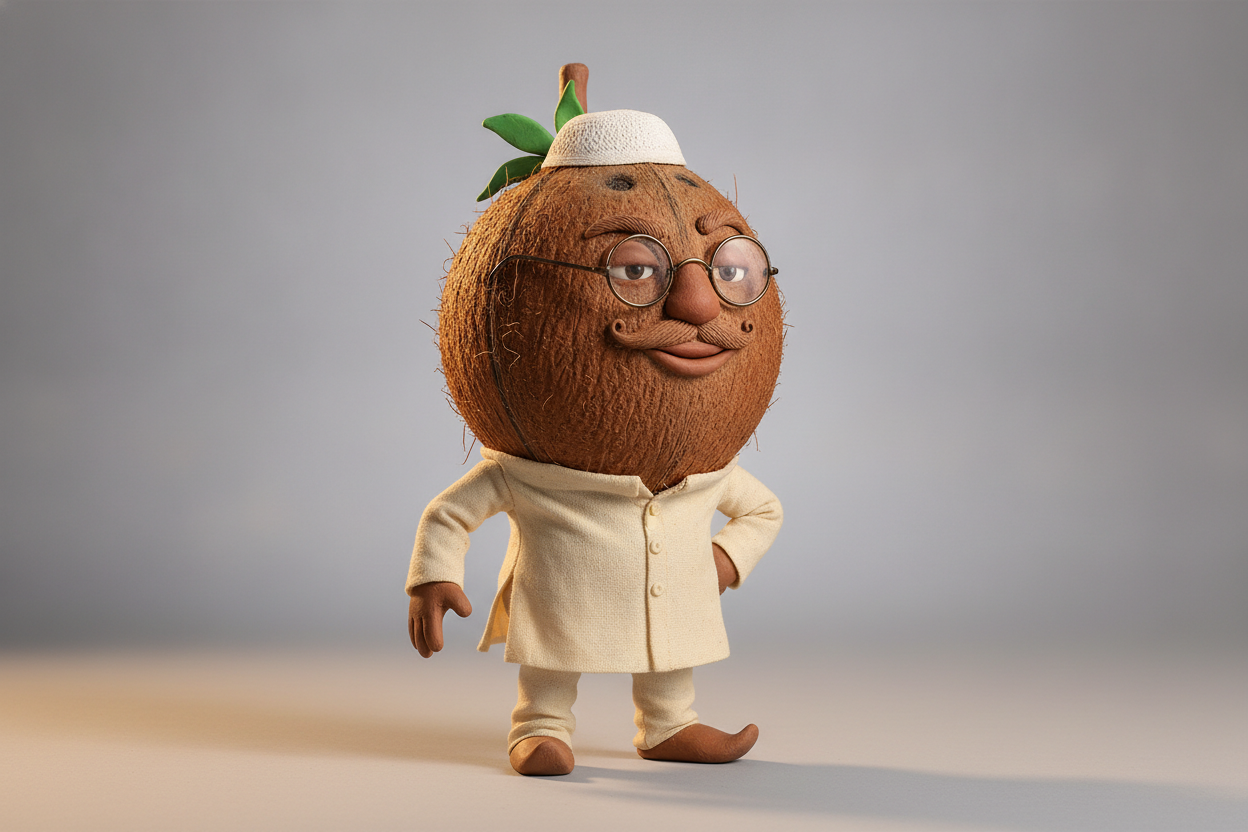
My mom makes AI videos for Instagram & YouTube - food characters in the "Italian brainrot" style, an Onion Uncle, a Tomato Cousin, a whole little universe of them. She loves making them. What she didn't love was the fight to get there.
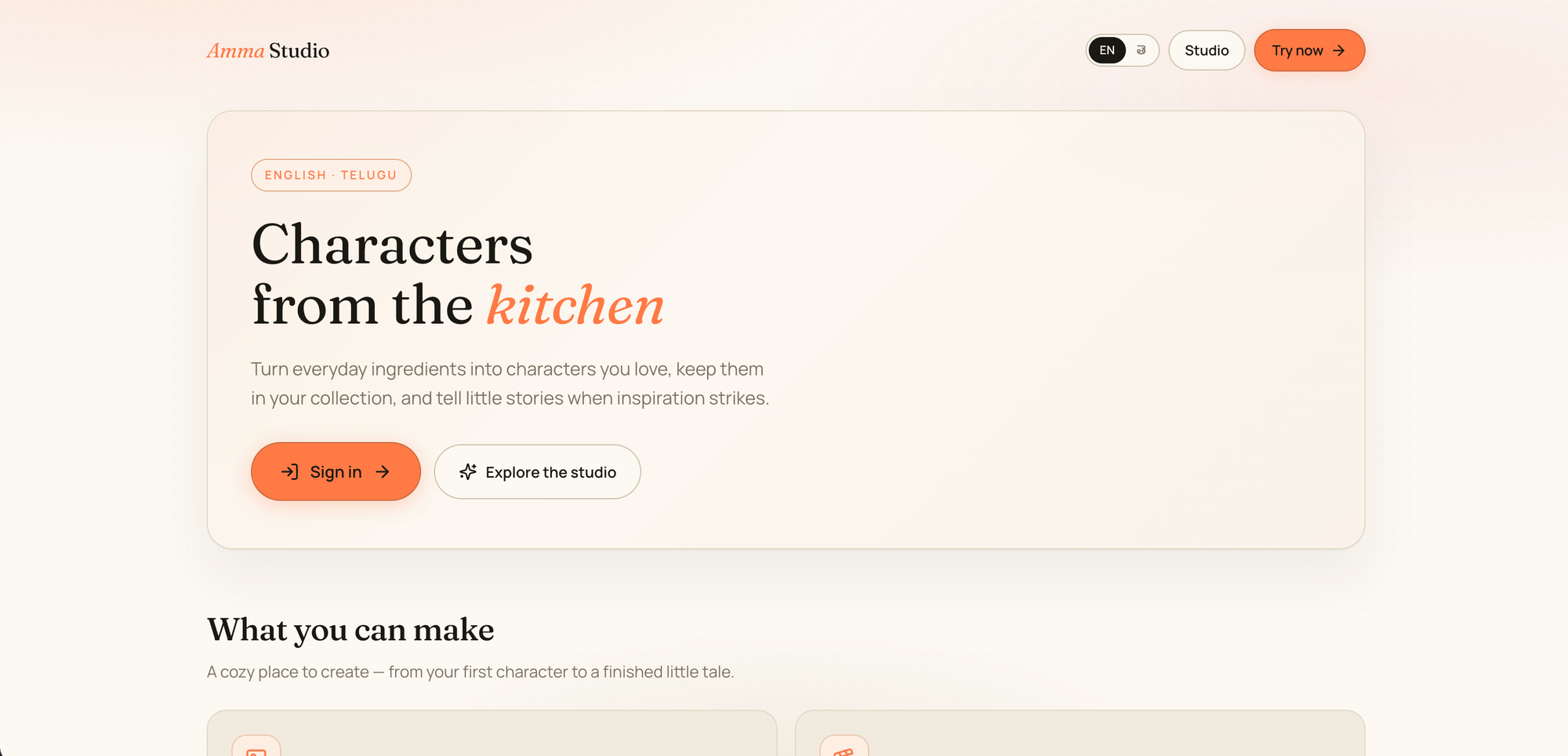
I built Amma Studio as a Mother's Day gift: a small studio that takes the fight out of the process and hands her back the fun part.
Two walls and a blank box
She already had the tools to render the videos — she uses Gemini's Veo 3 and Grok Imagine. The trouble was everything that comes before the render.
Two walls, over and over:
- The character kept drifting. Ask an image tool for "an onion guy" today and you get a different onion than yesterday. To keep Onion Uncle looking like Onion Uncle across a dozen clips, you have to describe him identically every single time.
- The story wouldn't hold its shape. A short only lands if it has a setup, a turn, and a punchline. Inventing that on a blank page — and then writing it twice, once in English and once in Telugu for the voiceover — is the real work.
And underneath both: a blank box. My mom doesn't chat-type comfortably, so "just describe what you want" was a wall, not a door. The thing that's supposed to help was the thing in the way.
The idea - do the sit-down for her
The idea was simple: what if the tool did the sit-down with her, the way I would if I were sitting next to her?
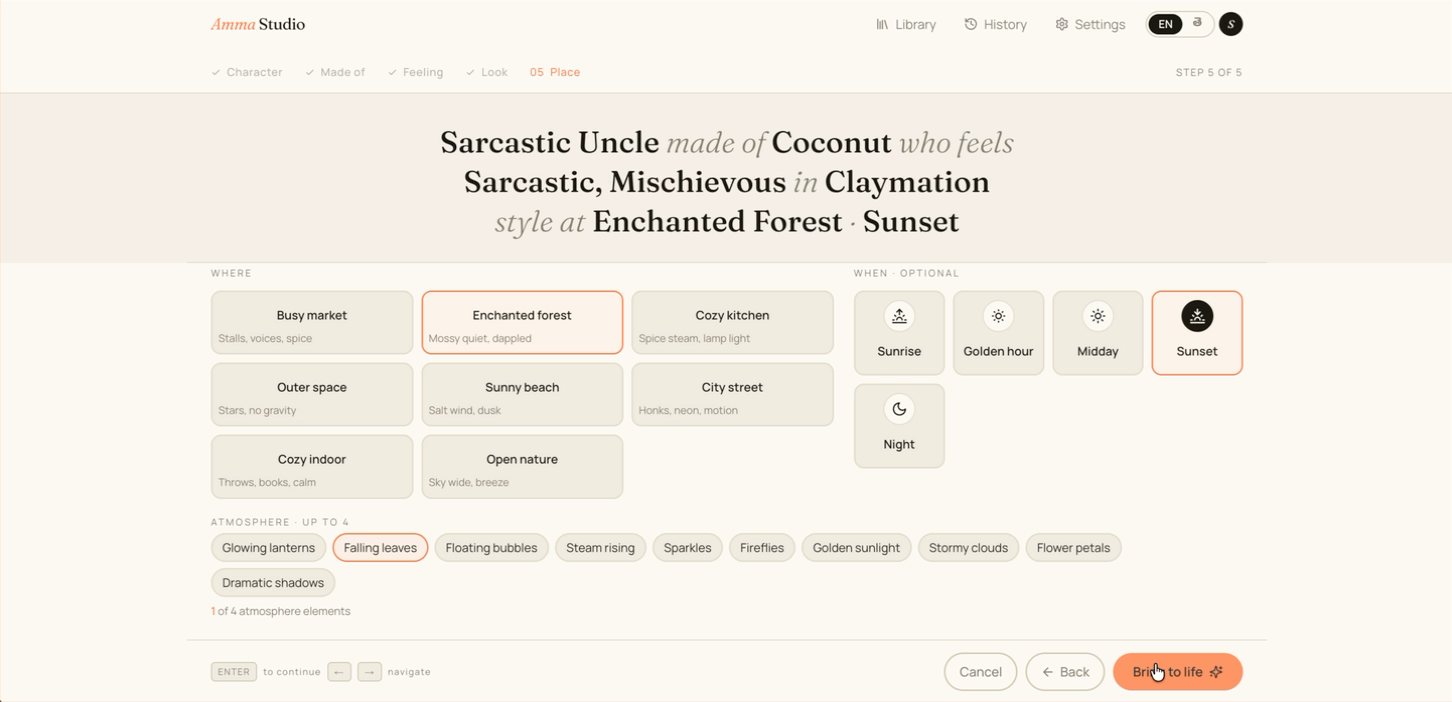
No blank box. You build a character or a story by tapping — picking from cards and chips, no typing. The studio handles the fiddly part — pinning the character down, shaping the beats — and hands back the exact prompts she pastes into the tools she already uses. And all of it in Telugu, because that's her language.
It had to feel like a gift, not a piece of software. So it does.
Building it
Four problems, one at a time.
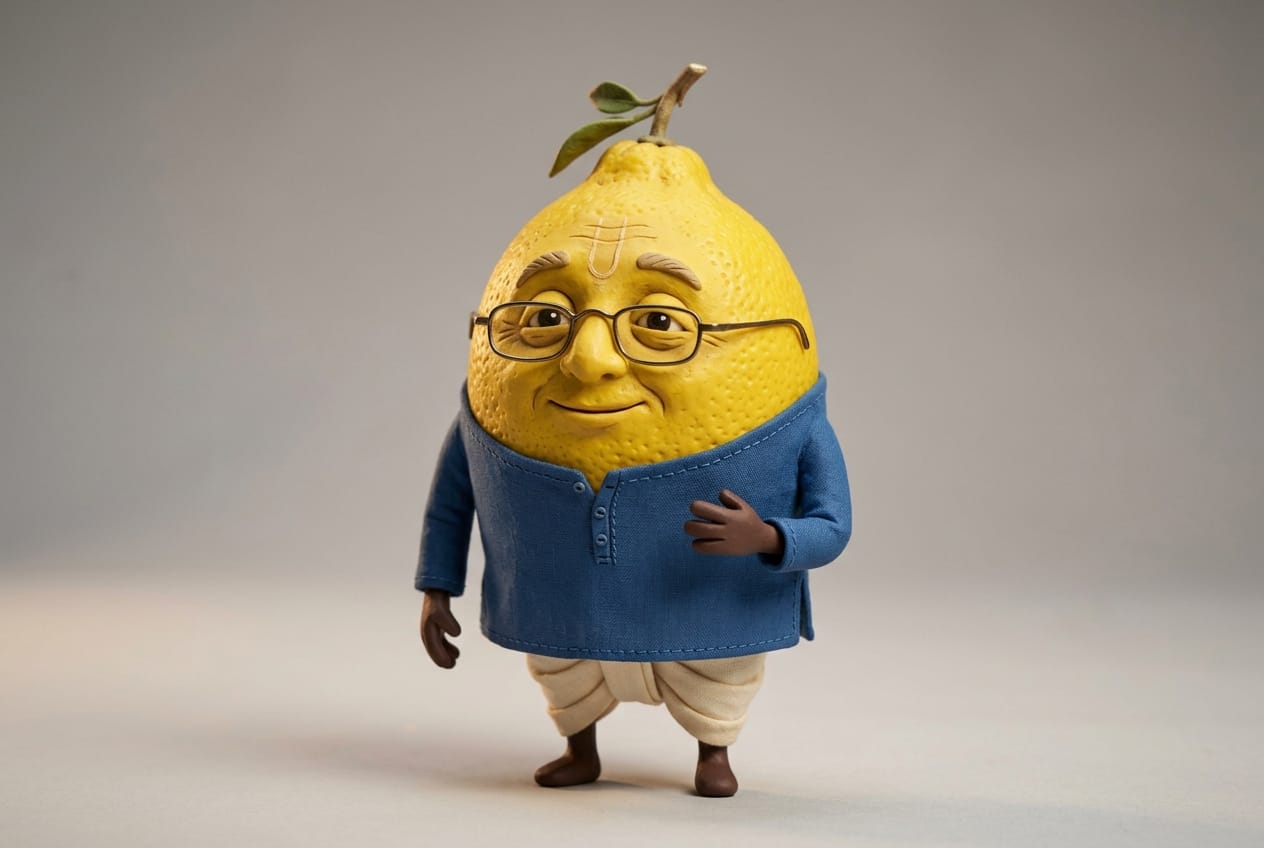
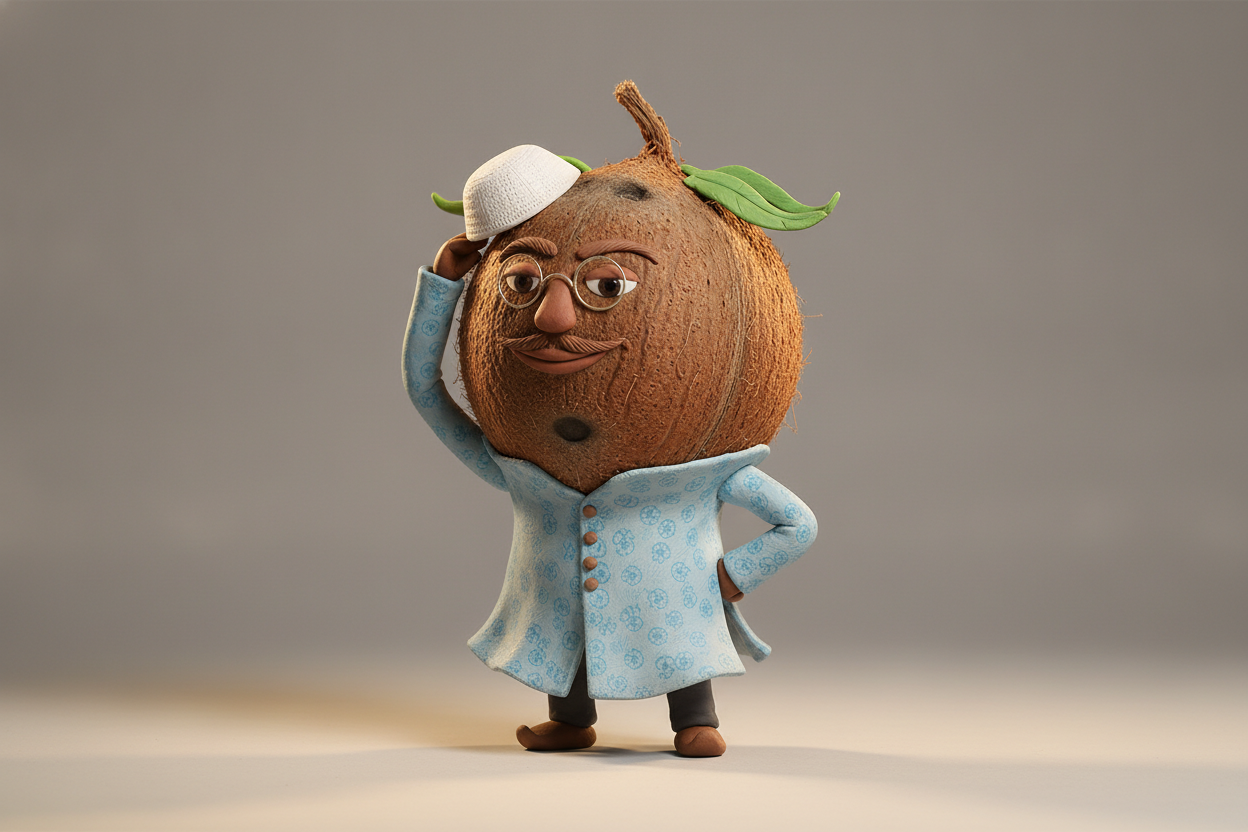
Keeping the food a food. This was the funny one. Tell an image model you want "a tomato with warm, weathered, friendly features" and it cheerfully hands you a person wearing a tomato hat — because words like "weathered" and "warm" read as human to it. The character my mom wants is the opposite: the tomato itself is the body and the face. So the studio is stubborn about it — it states the rule at the start, repeats it in the middle, and restates it as the very last thing the model reads. Three reminders, because one never stuck.
The same character, every time. Each character gets a kind of fingerprint, derived from its own traits, that the studio reuses on every picture. Same fingerprint, same character — Onion Uncle stays Onion Uncle. There's a shuffle for the days she wants to roll a fresh look on purpose.
Stories in beats. She picks a topic and a length — a quick rant, a mini-story, a full short — and the studio lays the story out scene by scene, each a few seconds long, each already written in both English and Telugu. The shape is there before she starts; she just makes it hers.
In her language. The whole interface is bilingual, and not in a stiff, translated way — it mixes English and Telugu the way she actually reads, sometimes Telugu words in English letters, with proper Telugu lettering where it counts.
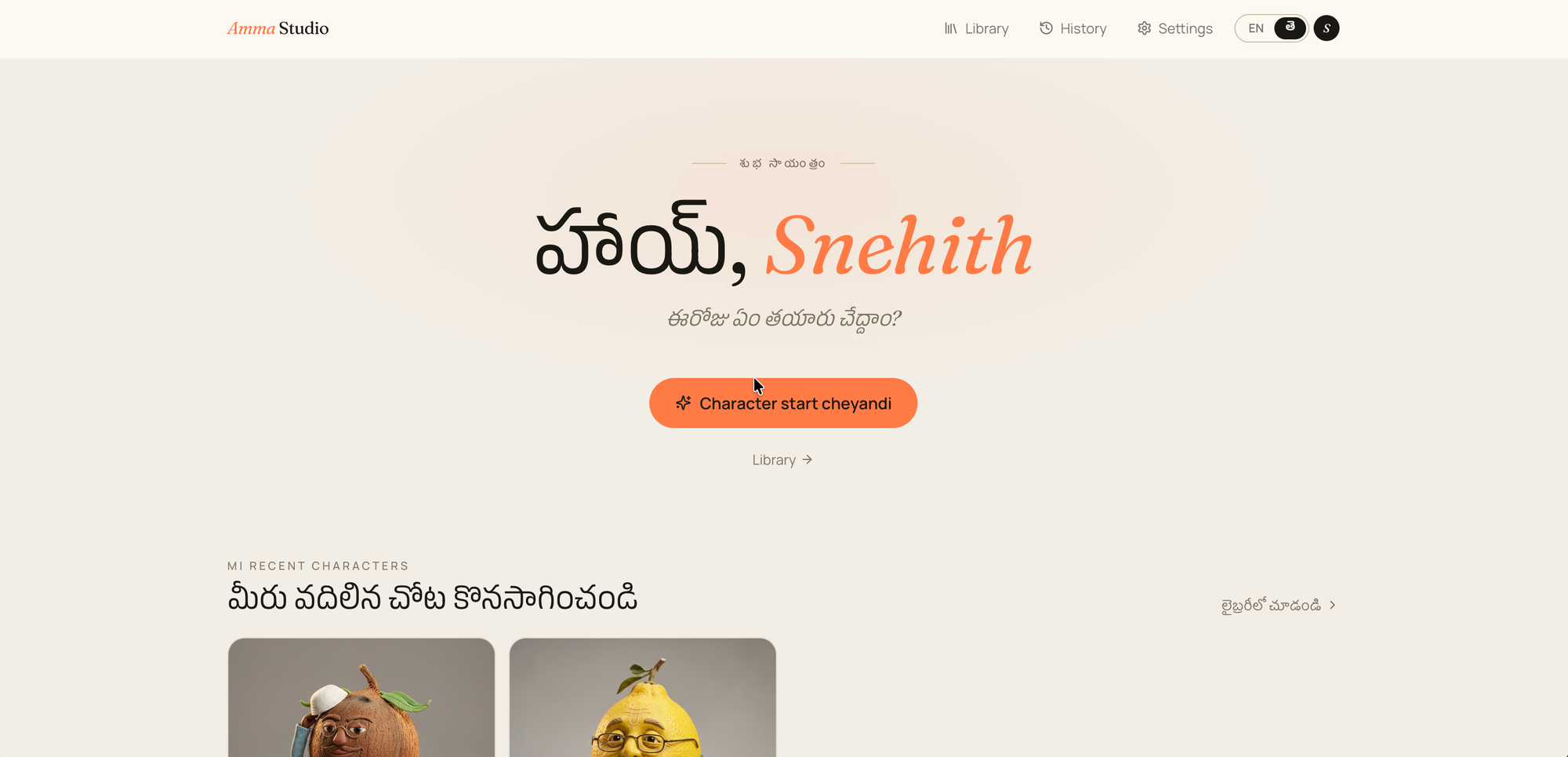
Under the hood it's an ordinary web app — it leans on Claude to do the writing and Google's image models to draw the characters — but none of that is anything she ever has to see or think about.
The handoff
Day to day, the flow is short:
flowchart LR
    A([Tap together a character]) --> B[Preview it as a still image]
    B --> C([Tap together a story —<br/>pick a topic and a length])
    C --> D[Scene-by-scene prompts<br/>in English and Telugu]
    D --> E([Copy a scene's prompt])
    E --> F([Paste into Veo 3 / Grok<br/>to render the clip])
A few taps make a consistent character and a structured, bilingual story; she copies each scene's prompt into Veo 3 or Grok and renders it there. The studio does the hard middle; the tools she already pays for do the render. It runs on its own always-on server, so it's simply there whenever she wants it — no setup, no waiting.
What it does for her now
The two walls are gone. The character stays on-model without her keeping a notebook of descriptions. The story arrives already shaped, in both her languages, so she can spend her time on the part she's good at — making it funny — instead of fighting a blank page.
It isn't really a product, and it doesn't have a roadmap. It's a gift.
Now the real question, is she using this web app ?
A big noooooooo 😭😭😭😭😭😭
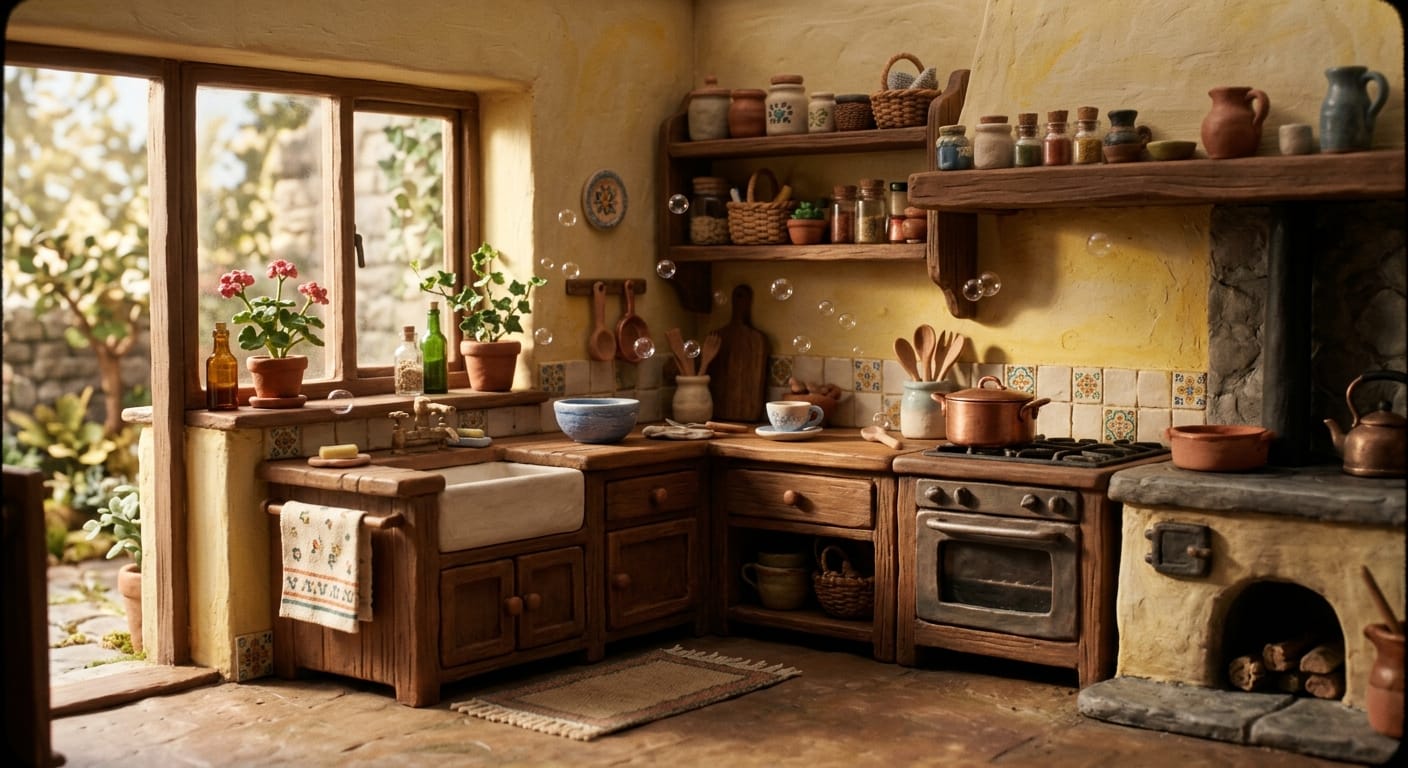
Gallery